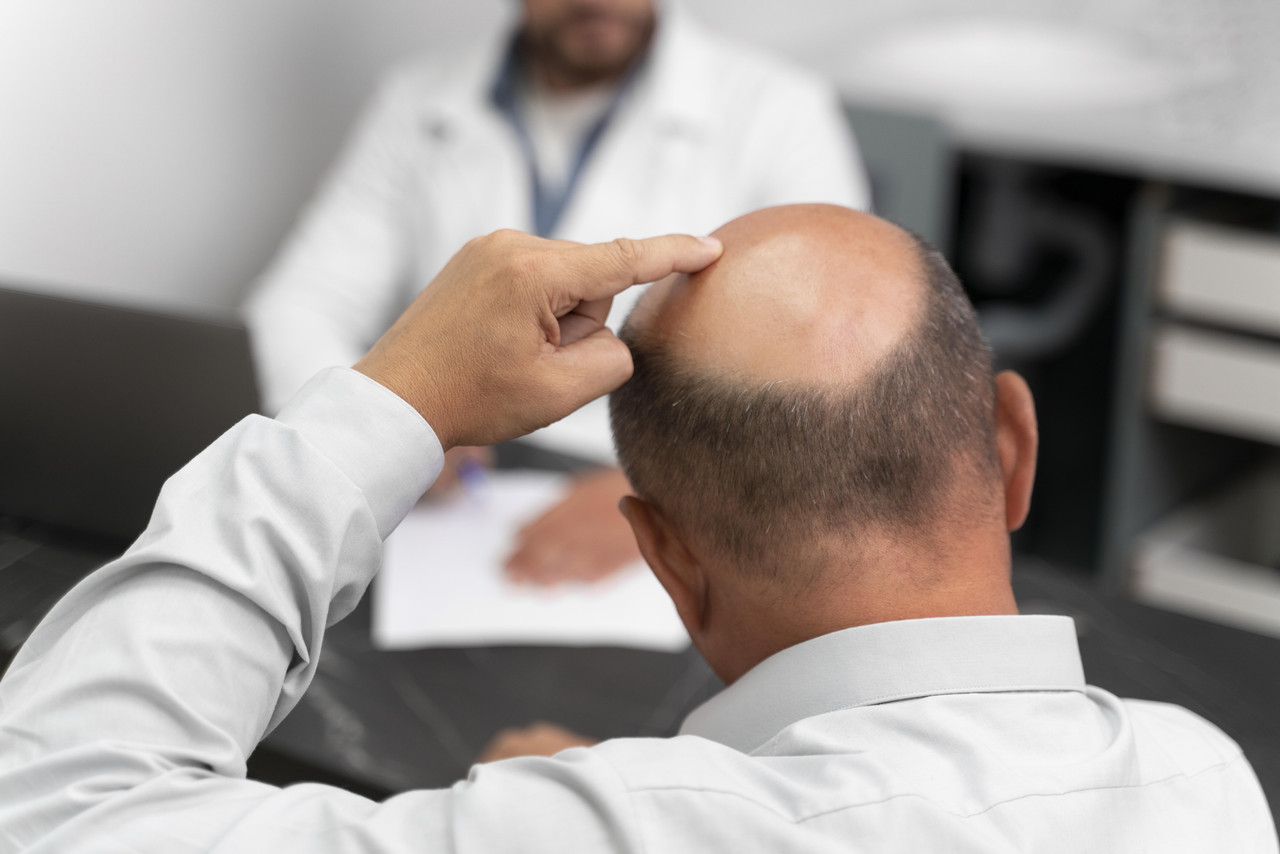
What Is a Hair Transplant?
A hair transplant works by transferring strong hair follicles to parts of the scalp where hair growth has slowed or stopped. Usually, the donor hair comes from the back or sides of the scalp. Hair in these zones tends to be resistant to the hormones that cause balding. Once transplanted, the follicles continue to grow naturally in their new location. Modern methods such as Follicular Unit Extraction have made the procedure far more precise and minimally invasive.Step 1: Professional Hair Assessment
Every hair transplant journey starts with a detailed consultation. During the consultation, the doctor analyzes hair density, scalp condition, and the extent of hair loss. Medical history and expectations are also discussed. Based on the analysis, the surgeon develops a tailored strategy. Hairline design is carefully considered to ensure natural results.
Step 2: Preparing the Donor Area
When the treatment starts, the surgeon prepares the donor region. Hair in the donor zone may be trimmed so the surgeon can access follicles more easily. Local anesthesia is applied to numb the scalp. This preparation allows the procedure to be performed comfortably.
Step 3: Follicle Extraction
Once the donor area is ready, the surgeon begins extracting hair follicles. Using the FUE technique, follicles are harvested individually. Every follicular unit generally contains between one and four hairs. These grafts are preserved in a special solution before implantation. Proper graft preservation greatly improves the chances of successful hair growth.
Step 4: Preparing the Recipient Area
The next stage involves preparing the recipient zones. Small openings are created in the scalp where grafts will be inserted. The angle and direction of these incisions determine how natural the final results will look. The natural look of the transplant largely depends on this step.
Step 5: Implanting the Hair Grafts
After preparation, each graft is inserted into the scalp. Every graft is implanted with precision to create a natural appearance. In many cases, this step can last several hours. Proper spacing and direction allow the transplanted hair to blend seamlessly.
Step 6: Post-Procedure Growth
Following the treatment, patients may notice minor redness or swelling. Recovery symptoms normally improve quickly. Within a few weeks, the transplanted hair may fall out temporarily. New growth often starts around the third or fourth month. The final results are usually visible after about a year.
Summary
Hair transplantation has become one of the most effective solutions for hair loss. Modern procedures make hair restoration safer and more effective. Individuals considering treatment should always consult experienced professionals to understand their options and expectations. Professional clinics can provide personalized advice and advanced treatment options.
For more information about modern procedures and professional consultation, you can learn more about Hair Transplant.